Source Electrical Rooftop Packaged Heat Pump for Hotels, Commercial, Industrial
Find 30 Electrical Rooftop Packaged Heat Pump units suitable for hotels, commercial buildings, and industrial applications. Compare cooling and heating capacities ranging from 10kw to 300kw, operating voltages, and refrigerant options like R410A and R22 to identify the right solution for your project.
Key considerations
Products List


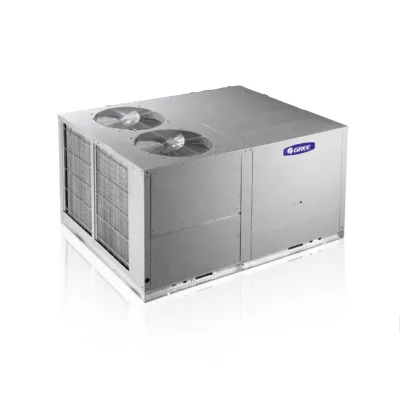
$2601.54 - $2913.73
MOQ: 50 sets


R410A Portable Rooftop Packaged Heat Pump Unit with Inverter Scroll Compressor
$800.00 - $5999.00
MOQ: 1 Pieces

High Quality Portable Rooftop Packaged Heat Pump Unit Manufacturer R410A
$800.00 - $5999.00
MOQ: 1 Pieces


Rooftop Packaged Unit with Water Heating Hot Water Coil / Electrical Heater
$900.00 - $24000.00
MOQ: 1 Package

$900.00 - $24000.00
MOQ: 1 Package


T3 Condition Air Cooled Rooftop Heat Pump with Free Cooling / Economizer
$900.00 - $24000.00
MOQ: 1 Package


30kw High-Efficiency Rooftop Central Heat Pump AC with Hot Water Heater
$1759.00 - $2188.00
MOQ: 1 Sets
Comprehensive Sourcing Guide
Electrical Rooftop Packaged Heat Pump Sourcing Guide
Procuring electrical rooftop packaged heat pumps requires a strategic approach that balances technical performance with commercial viability. These units, often categorized as RTUs or DX free cooling rooftop packaged units, are designed for both cooling and heating applications, making them versatile solutions for diverse building environments. Buyers must navigate a market where specifications vary significantly, from basic fan coil units to complex systems with integrated fresh air options. The core challenge lies in identifying suppliers who can deliver units that meet specific capacity requirements, ranging from 10kw to 300kw, while ensuring compatibility with existing electrical infrastructure and building management systems.
The sourcing process is further complicated by the diversity of refrigerant options and power supply configurations available in the market. Units may utilize R410A, R407c, R134A, or R22 refrigerants, each presenting different environmental and regulatory implications. Similarly, power supply requirements can vary from single-phase 220240V to three-phase 380415V or 460~480V systems, depending on the unit’s capacity and the local grid standards. Buyers must carefully align these technical parameters with their project’s specific needs to avoid costly retrofits or operational inefficiencies. This guide provides a structured framework for evaluating suppliers, verifying technical claims, and ensuring long-term reliability.
Product Scope and Observed Listing Signals
The observed market for electrical rooftop packaged heat pumps reveals a wide range of product types, including chillers, rooftop packaged units, and fan coil units. Listings indicate that these units are typically new and customizable, allowing buyers to tailor features such as mounting options (ground, rooftop, or ceiling) and air tube materials (galvanized sheet or project-specific materials). The capacity range is substantial, with some units offering cooling capacities up to 210kw and heating capacities up to 230kw, while others span a broader spectrum from 10kw to 300kw. This variability necessitates a clear definition of project requirements before engaging with suppliers, as the unit type and capacity directly impact performance and cost.
Price and minimum order quantity (MOQ) signals suggest a flexible market structure, with observed prices ranging from $380 to $24,000 and MOQs between 1 and 50 units. This range reflects differences in unit complexity, capacity, and included features such as fresh air integration or advanced control systems. Buyers should note that lower-priced units may lack certain customization options or advanced efficiency features, while higher-priced units often include premium components like closed scroll compressors and higher corrosion durability. Understanding these signals helps buyers set realistic budgets and identify suppliers who can meet their specific volume and performance needs.
Technical Specifications to Verify
Verifying technical specifications is critical to ensuring that the selected rooftop packaged heat pump meets the project’s operational requirements. Key parameters to confirm include the cooling and heating capacity, airflow volume, and energy efficiency. For instance, some units offer an airflow volume of 48,000 CMH with an external static pressure (ESP) of 450 PA, while others may have lower capacities such as 2,076 CFM. Buyers should request detailed performance data for each unit under consideration, including compressor type (e.g., closed scroll), control type (e.g., thermal expansion valve), and fan motor power, to ensure compatibility with the building’s HVAC design.
Power supply and refrigerant compatibility are also essential verification points. Units may operate on various voltages, including 380/400 VAC, 380V-3pH-50Hz, or 220~240V, and may use different refrigerants such as R410A, R22, or R407c. Buyers must ensure that the selected unit’s power requirements align with the facility’s electrical infrastructure and that the refrigerant choice complies with local environmental regulations. Additionally, noise level and lifetime expectations should be verified, with some units claiming a lifetime of over 20 years and low noise operation, which can impact tenant comfort and maintenance costs.
Compliance and Safety Documentation
Compliance with international and local standards is a non-negotiable aspect of sourcing rooftop packaged heat pumps. Buyers should verify that units carry relevant certifications, such as CE, ISO, CCC, and RoHS, which indicate adherence to safety, environmental, and quality management standards. These certifications are particularly important for units intended for export or use in regulated markets, as they ensure that the product meets specific regulatory requirements. Buyers should request copies of certification documents and verify their validity with the issuing bodies to avoid potential compliance issues during installation or operation.
In addition to certifications, buyers should inquire about the unit’s adherence to energy efficiency standards, such as the China Energy Efficiency Standard Level. While specific efficiency ratings may vary by model, understanding the unit’s energy performance can help buyers estimate operational costs and environmental impact. Documentation regarding the unit’s construction materials, such as galvanized sheet air tubes, and its corrosion durability should also be reviewed to assess long-term reliability. Ensuring that all compliance and safety documentation is complete and accurate is essential for a smooth procurement process and successful project implementation.
Cost Drivers and Commercial Terms
Several factors influence the total cost of ownership for rooftop packaged heat pumps, including unit capacity, refrigerant type, and included features. Higher capacity units and those with advanced features such as fresh air integration or free cooling capabilities typically command higher prices. Buyers should also consider the cost of installation, which can vary based on mounting requirements (e.g., rooftop vs. ground) and the complexity of the electrical and ductwork connections. Understanding these cost drivers helps buyers make informed decisions and negotiate favorable commercial terms with suppliers.
Commercial terms such as payment conditions, delivery lead times, and after-sales service support are also critical considerations. Buyers should clarify the supplier’s warranty policy, including the availability of free spare parts and overseas call center support, to ensure that maintenance and repair costs are manageable. Additionally, packaging details, such as plastic film wrapping or palletization, can impact shipping costs and handling requirements. Buyers should negotiate clear terms regarding these aspects to avoid unexpected expenses and ensure a smooth delivery and installation process.
Supplier Qualification and Quality Control
Evaluating supplier qualification is essential to mitigate risks associated with product quality and delivery reliability. Buyers should assess the supplier’s manufacturing capabilities, quality control processes, and track record in delivering similar products. Suppliers with ISO certification and a history of producing units with high corrosion durability and long lifetimes are generally more reliable. Buyers should also inquire about the supplier’s ability to provide customization options, such as logo/graphic design via silk screen printing or specific air tube materials, to ensure that the product meets their unique requirements.
Quality control measures should be verified through site visits, third-party inspections, or requests for detailed quality assurance documentation. Buyers should ensure that the supplier conducts rigorous testing of units before shipment, including performance tests for cooling and heating capacity, airflow, and energy efficiency. Additionally, buyers should clarify the supplier’s process for handling defects or non-conforming products, including return policies and replacement procedures. Establishing a strong quality control framework helps buyers ensure that the delivered units meet their specifications and perform reliably over their expected lifetime.
Long-Term Procurement Checks
Long-term procurement success depends on establishing a robust framework for ongoing supplier performance monitoring and product lifecycle management. Buyers should implement regular performance reviews to assess the supplier’s adherence to agreed-upon quality standards, delivery schedules, and after-sales service commitments. Tracking key performance indicators such as defect rates, response times for spare parts, and customer satisfaction can help identify potential issues early and facilitate corrective actions. Maintaining open communication with the supplier and fostering a collaborative relationship can also enhance long-term partnership value.
Additionally, buyers should plan for the unit’s end-of-life management, including recycling and disposal of refrigerants and components. Understanding the supplier’s policies on environmental compliance and sustainable practices can help buyers align their procurement activities with corporate sustainability goals. Regularly reviewing and updating procurement strategies based on market trends, technological advancements, and regulatory changes ensures that the organization remains competitive and compliant. By focusing on long-term checks and continuous improvement, buyers can maximize the value and reliability of their rooftop packaged heat pump investments.
FAQs
What certifications do these rooftop units have?
These units typically hold CE, ISO, CCC, and RoHS certifications. The specific certification list depends on the manufacturer and model, ensuring compliance with international safety and quality standards for electrical rooftop packaged heat pumps.
Can I customize the product specifications?
Yes, customization is available for many models. Buyers can often request specific configurations for capacity, mounting type, or refrigerant type to match their unique project requirements and operational needs.
What is the expected lifetime of the unit?
The expected lifetime ranges from 15 to over 20 years. This durability is supported by high corrosion resistance and robust construction, ensuring long-term reliable performance for industrial and commercial applications.
Which refrigerants are compatible with these systems?
Compatible refrigerants include R410A, R407c, R134A, and R22. The specific choice depends on the model and regional regulations, allowing flexibility for different cooling and heating capacity requirements.
How is the product packed for shipping?
Products are packed using plastic film wrapping or wrap film on pallets. This packaging method protects the unit during transit and ensures it arrives in new condition for immediate installation.
What is the operating voltage range?
Operating voltages include 220-240V, 380-415V, and 460-480V. Specific models may support 380/400 VAC or 380V-3pH-50Hz, accommodating various electrical supply standards across different regions.